
Legal Status Of Ibogaine by Country in 2026: Where is Treatment Available?
 By:
avanteinstitute
By:
avanteinstitute
Legal Status Of Ibogaine by Country in 2026: Where is Treatment Available?
Where is Ibogaine Treatment Available?
Ibogaine has helped many people struggling with addiction, alcoholism, and treatment-resistant depression. However, ibogaine remains illegal in the United States, which is why many patients travel abroad for treatment.
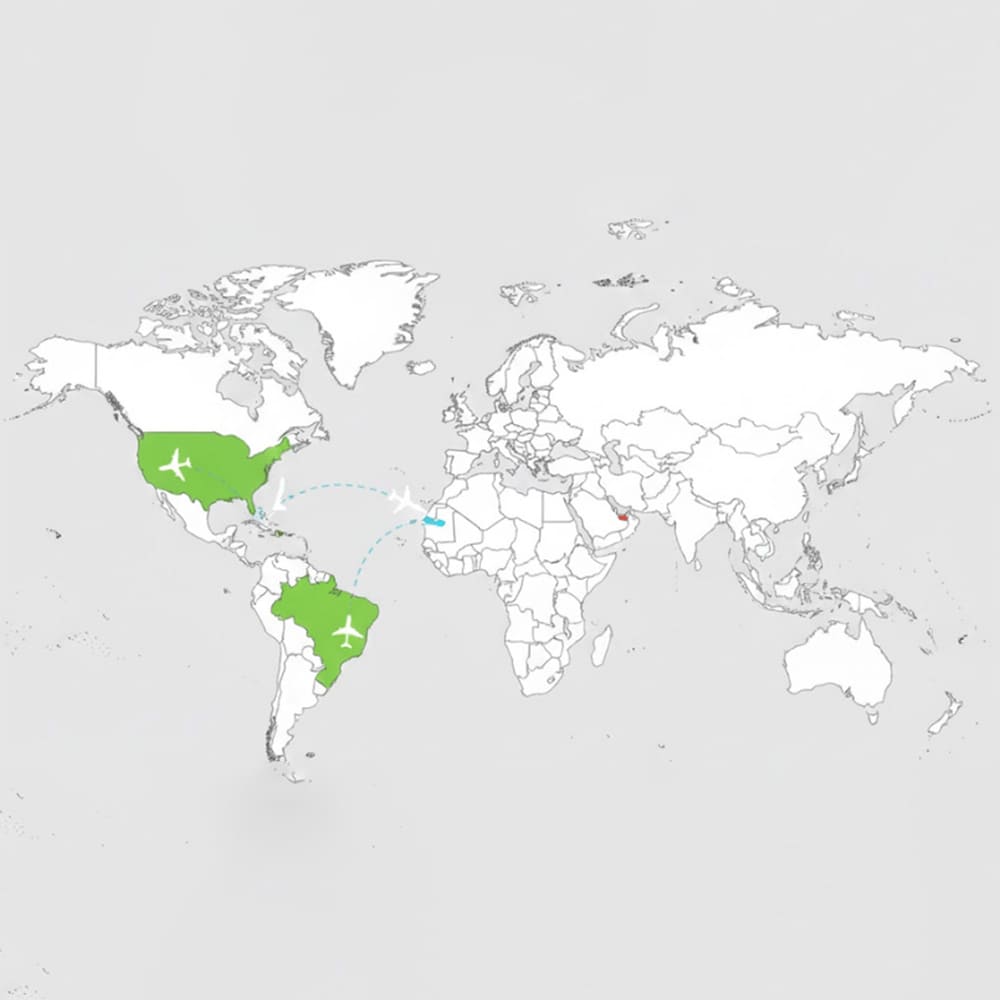
Countries such as the Bahamas, Costa Rica, Mexico, and New Zealand allow ibogaine treatment under different legal frameworks. Each destination offers different levels of medical supervision, safety standards, and legal clarity.
Understanding Ibogaine’s Legal Status
Ibogaine is not listed as a controlled substance by the United Nations, so every country regulates it differently. Some countries allow medical use, some allow limited prescription access, while others prohibit it completely.
Legal classifications generally include:
- Legal — Approved for medical use under clinical supervision.
- Controlled/Prescription — Available only with special medical authorization.
- Decriminalized — Personal possession may not be prosecuted, but treatment is not officially approved.
- Unregulated — No clear laws exist, allowing clinics to operate in a legal gray area.
- Illegal/Prohibited — Completely banned for all uses.
Countries Where Ibogaine Treatment is Available
The Bahamas
The Bahamas is considered one of the safest and most established destinations for ibogaine treatment. It offers legal treatment access, English-speaking medical staff, and strong medical tourism infrastructure.
Costa Rica
Costa Rica has no major legal restrictions on ibogaine. Many clinics operate openly, although treatment quality and medical standards may vary.
Mexico
Mexico is one of the most common destinations for U.S. patients. Ibogaine is unregulated rather than officially legal, so patients should carefully research clinic safety and medical supervision.
New Zealand
New Zealand allows ibogaine by prescription under medical supervision. It offers strong regulatory oversight, although travel costs can be higher for North American patients.
Countries Where Ibogaine is Restricted
The United States classifies ibogaine as a Schedule I substance, making treatment illegal nationwide. Canada allows only limited special-access use, while many European countries including France, the UK, and Switzerland prohibit ibogaine completely.
Important Questions Before Choosing a Treatment Center
- Is a licensed physician present during treatment?
- Does the clinic provide cardiac monitoring?
- What emergency medical equipment is available?
- Are medical screenings required before treatment?
- Does the clinic provide aftercare support?
Why Ibogaine Laws Differ Between Countries
Ibogaine laws vary because each country creates its own drug policies independently. Safety concerns, limited clinical research, and changing attitudes toward psychedelic-assisted therapies all influence how governments regulate ibogaine.
Conclusion
For most North American patients, the Bahamas, Costa Rica, and Mexico remain the most practical ibogaine treatment destinations. Before selecting a clinic, patients should focus on medical safety, clinical experience, and aftercare support rather than location alone.